Fishing Tackle Maintenance: Helpful Tips to Extend the Lifespan of Your Equipment
For anglers aiming to enhance their time on the water, fishing equipment maintenance is necessary. Proper attention can greatly extend the life expectancy of rods, reels, and tackle. Regular monitoring and cleaning routines play an important role in maintaining performance. Additionally, having organized tackle boxes and conducting seasonal checks will help prevent unexpected failures. Understanding how to preserve each component is key. What particular practices could guarantee fishing gear remains in optimal condition?
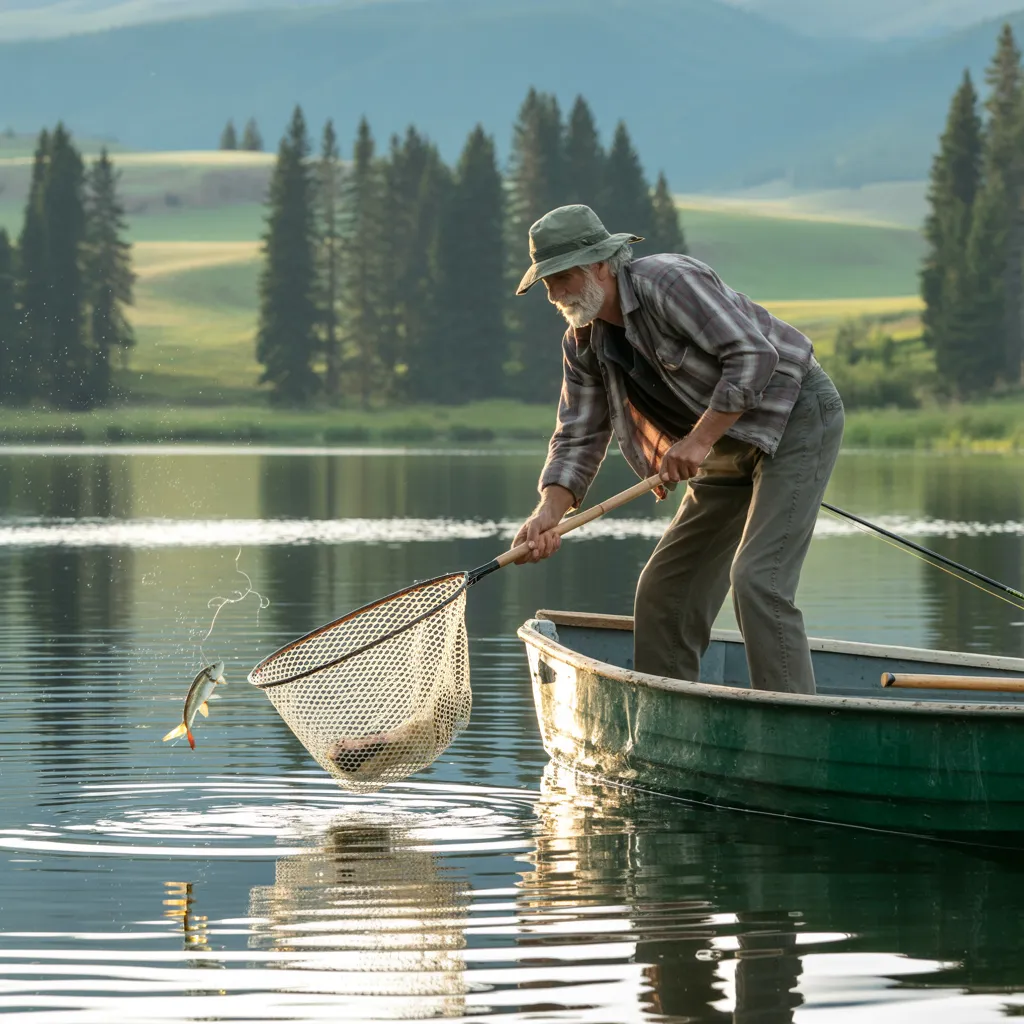
Techniques for Taking Care Your Fishing Rods
Correct care of rods is essential for ensuring extended lifespan and maximum performance. Consistent inspection is important; anglers should check for any marks of deterioration, such as cracks or splintering. Rinsing the rod after each session helps get rid of grime and salt, which can degrade materials over time. A soft towel and gentle soap suffice for routine upkeep.
Moreover, storing rods in a cool, dry place prevents wear from humidity and extreme temperatures. Using rod socks or cases shields them from unplanned collisions and scuffs. Prevent placing heavy objects on top of rods being stored, as this can result in bending or cracking.
In addition, careful attention to rod guides is paramount; assuring they are clear and not worn out enhances cast reach and accuracy. By adhering to these guidelines, anglers can maintain their fishing rods properly, ensuring they remain dependable tools for many years of fishing adventures.
Strategies for maintaining Your Fishing Reels
Proper care of fishing reels is necessary for outstanding performance and sustained durability. Thorough cleaning following each fishing outing, treating mechanical parts with lubricant, and reviewing for deterioration serve as vital steps that maximize operational efficiency. By committing to these actions, anglers can affirm their reels persist in first-rate condition for every angling occasion.
Maintain Clean After Each Use
Cleaning angling reels after each use is crucial for preserving their longevity and performance. Saltwater, dirt, and debris can accumulate during fishing trips, causing corrosion and diminished functionality. Anglers should rinse their reels with fresh water, making sure that all surfaces are thoroughly cleaned to remove any contaminants. A gentle rag can be used to wipe down the exterior, while a gentle brush may act now help loosen stubborn particles from tight spots. Special attention should be given to the spool and line, as residues can affect casting performance. After rinsing, it's vital to dry the reel completely to prevent moisture buildup. Implementing this routine not only enhances performance but also greatly extends the lifespan of fishing reels, ensuring reliable use for many seasons.
Lubricate Shifting Parts
Following a thorough washing of fishing reels, focus shifts to applying lubricant to the working mechanisms to ensure smooth operation. This step is crucial for preserving the reel’s performance and longevity. Using a quality fishing reel lubricant, anglers should add a light coating to bearings, gears, and other critical parts. Care must be taken to avoid excess lubrication as it can gather dirt and debris. A precision applicator assists in reaching tight spots without overuse. Furthermore, it’s smart to wipe off any surplus lubricant post-application. Consistent lubrication reduces friction, ensuring the reel functions smoothly during casting and line retrieval. By embracing this maintenance routine, anglers can improve the usefulness and life span of their fishing reels, facilitating more pleasant fishing outings.
Check for Wear
Looking over fishing reels for damage is an essential step in maintaining peak performance. Regular inspections help identify signs of damage that could hinder functionality. Anglers should inspect the reel's body for cracks or dents that may damage its integrity. The spool should be assessed for signs of warping or uneven surfaces, as these can impact line retrieval. The drag system must be tested for functionality; any binding or grinding indicates potential problems. Finally, attention should be given to the bail mechanism to ensure it runs smoothly. By carefully inspecting these parts, anglers can fix minor problems before they grow, thereby extending the lifespan of their fishing reels and boosting their overall fishing experience.
Ways to Maintain Fish Lines to Achieve Maximum Function?
Proper maintenance of fishing cords is vital to guarantee top functionality during each outing. Regular upkeep greatly prolongs the longevity and effectiveness of these crucial parts. To clean fishing lines, anglers should first detach the line from the reel to allow better access for inspection. A gentle rinse with clean water can clear away dirt and debris. For stubborn grime, a mixture of warm water and mild soap may be applied, using a soft cloth or sponge. After cleaning, it is important to wash off completely the line to remove any soap residue. Once dry, re-spool the line onto the reel, making sure it is tight and free of twists. Additionally, using a line conditioner can help maintain flexibility and minimize line memory, thereby improving casting and overall performance. By following these simple steps, anglers will guarantee that fishing lines stay in ideal condition for future trips.
Tackle Box Organization Advice
Successful angling requires not only properly maintained lines but also an well-arranged tackle box. An effective tackle box enables anglers to quickly access vital equipment, enhancing their fishing experience. First, sort tackle by type: lures, hooks, weights, and tools should each have designated sections. Using small, clear containers within the tackle box can help keep smaller items from becoming snarled or misplaced. Tags can also streamline the process, allowing for easy identification and retrieval.
Additionally, anglers should regularly review and discard any worn or broken gear, ensuring only working equipment is kept. Consider implementing customizable storage solutions that provide customizable compartments, adapting to various angling techniques or locations. Finally, keeping a inventory list of required gear can guide arrangement and replenishment, making preparation for fishing trips more efficient. By implementing these storage strategies, anglers can make the most of their hours on the water and improve their general angling performance.
Seasonal Upkeep for Fishing Gear
Regular maintenance is crucial for maintaining fishing gear in excellent condition year-round. When spring arrives, anglers need to consult a prep guide to prepare their equipment for the active fishing seasons. On the other hand, proper winter protection strategies are vital for preserving gear during the inactive season.
Spring Maintenance Guide
As spring arrives, anglers often understand the importance of a thorough prep checklist for their fishing gear. First, they should examine rods and reels for any signs of wear or damage, guaranteeing all components function correctly. Next, it's vital to clean and lubricate reels, removing old line and substituting it with fresh, suitable monofilament or braided line. Additionally, checking tackle boxes for rusted hooks and broken lures is imperative; substituting these products can enhance fishing success. Anglers should also examine waders, nets, and other accessories for rips or holes, making sure everything is in working order. Finally, organizing gear and ensuring all necessities are ready promotes a smooth start to the fishing season. Proper preparation enhances the overall fishing experience.
Keeping Your Items for Winter Guidance
Proper winter storage is key for sustaining the longevity and operation of fishing gear. Anglers should commence by deep cleaning all equipment, wiping away dirt, salt, and moisture that can lead to corrosion. Rods should be stored in a cool, dry place, ideally in a upright stance to prevent warping. Reels require a thin oil coat to assure smooth operation when spring comes. Line should be removed and replaced, as old line can degrade over time. Tackle boxes and lures should be organized and checked for damage, checking that everything is in functioning condition. Finally, consider using protective covers for larger items, shielding against dust and potential damage. Following these steps will help maintain fishing gear for the next season.
What's the right moment to replace your tackle?
Knowing the proper moment to upgrade fishing gear can greatly improve the fishing experience. Spotting evidence of wear and tear is necessary. Rods may have cracks or splintering, showing they aren’t reliable anymore. Reels can become hard to crank or may exhibit rust, which suggests it’s time to replace them. Lines that fray or lack strength hinder fishing success; thus, they must be replaced regularly.
Additionally, manage boxes that are worn or lacking sections interfere with order and productivity. Anglers should also reflect on the age of their equipment; antiquated equipment may not perform as well as newer technology. Ultimately, changing gear before it fails promises a smoother fishing experience and cuts down on frustration on the water. Periodic checks of gear condition can avert unexpected issues and boost overall performance, allowing anglers to zero in on the joy of landing fish.
Commonly Asked Questions
When Should I Evaluate My Fishing Gear for Deterioration and How Often?
Checking fishing gear for damage should happen on a regular basis, preferably before each outing. Frequent checks help detect potential issues early, ensuring gear remains in great shape and enhancing the overall angling adventure while preventing unexpected problems.
Can Regular Soap Function to Clean My Fishing Equipment?
Using standard soap to clean fishing equipment is typically not recommended, as it may leave residues that impact performance. Professional-grade cleaners are suggested to ensure complete sanitation without damaging sensitive components or materials.
What Options Do I Have if My Rod Incurs Damage?
If a fishing pole becomes broken, the person should evaluate the extent of the damage, think about fixing it using appropriate materials, or consult a professional. Exchange may be required for severe breaks or substantial constructional problems.
Can You Securely Store Fishing Gear in Extreme Temperatures?
Housing fishing gear in extreme temperatures is not advisable. High temperatures can warp substances, while extreme cold can induce brittleness. Proper storage in a controlled environment helps maintain equipment longevity and functionality.
What Actions Can I Take to Prevent Rust on Metal Components?
To inhibit rust on metal components, one should routinely clean and dry the equipment, establish protective coatings, store items in dry conditions, and use rust inhibitors as essential to maintain ideal condition.